 English
 Deutsch
Body
Freitag, 10th of April 2026 | Factory im Künstlerhaus, entry Bösendorferstr. 10 | 19:00
Award German Speaking Countries II - Germany/Switzerland
Moderation Katharina Wenty. Admission 30 min before begin.
paragraphs
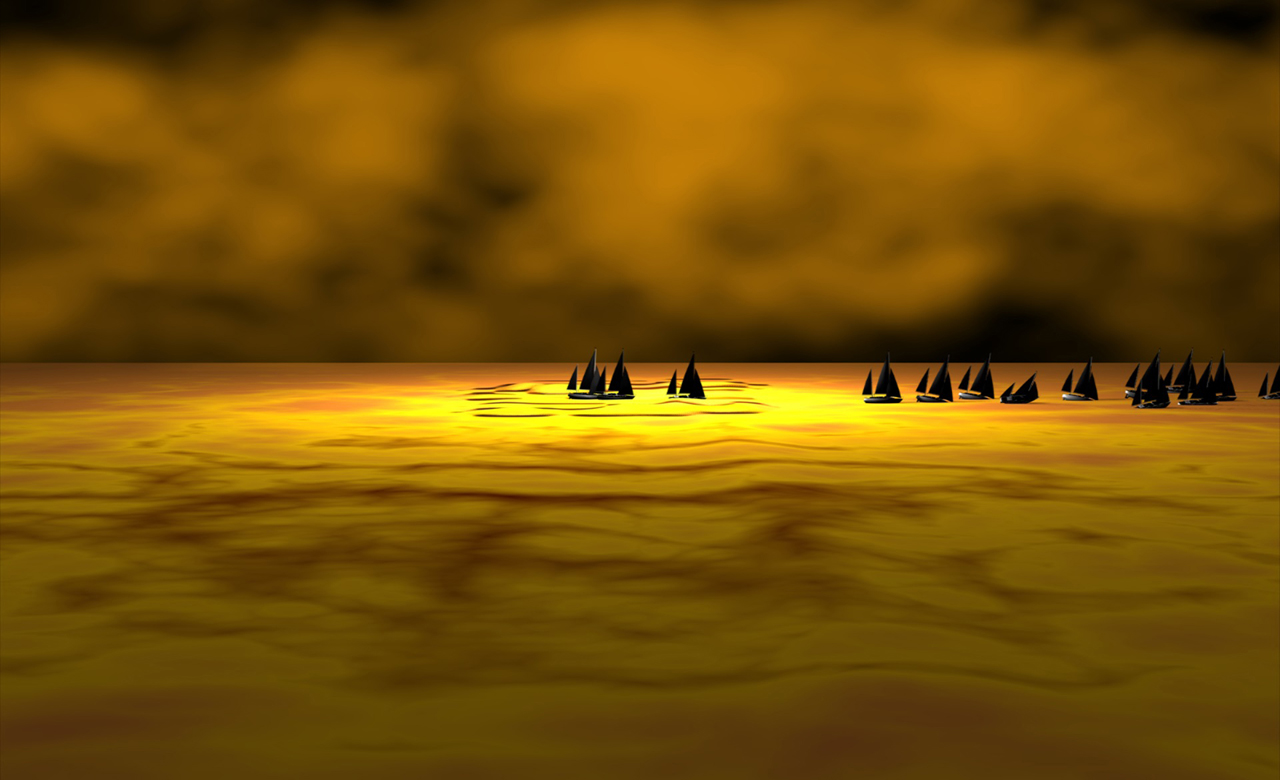
march 20/64 kalymnos
2024 | DE | 7m 31s
Director: Susanne Wiegner
The film is based on a poem by Robert Lax (one of the most important representatives of minimal poetry) about the Greek island of Kalymnos. After exactly 60 years, the question arises of how the poem can be visually translated in today's time, considering the impact of the climate crisis, which also affects Greece very much.
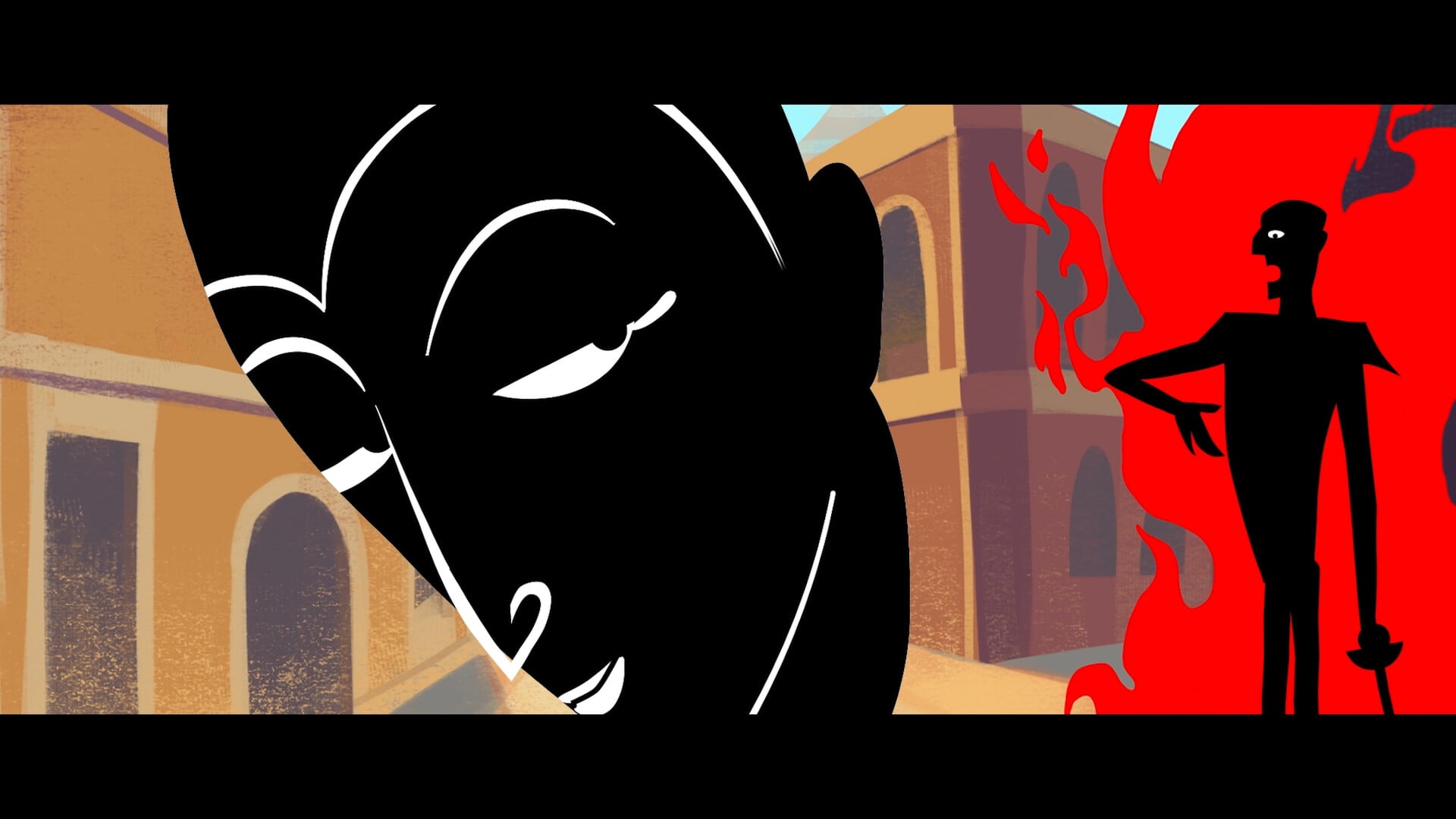
Dobrina
2025 | DE | 5m
Director: Hannes Rall
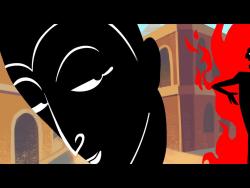
Lotte Reiniger meets Sergio Leone in this animated short, where desire burns as bright as the desert sun. A brand-new animated short that premiered in June 2025, successfully touring the festival circuit now.
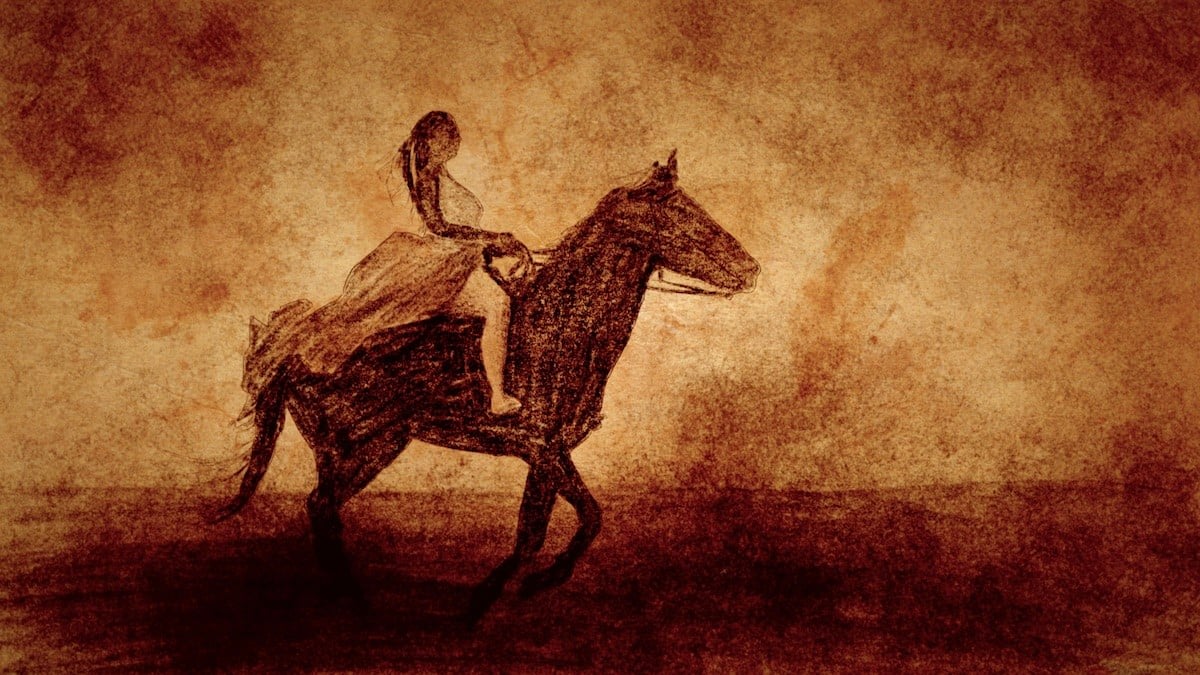
Miramis
2022 | DE | 2m27
Director: Angie Siveria, Oskar Schuster
Probably many people had a cookie iron jar in their childhood that contained the most secret treasures: old family photos, figurines, stickers, video tapes and secret memories. How many boxes does it take to keep all your memorabilia? Is it possible to save a loved one from the war in such box and take them to a safe place? Angie Siveria's poem is a reflection on the ongoing war in Ukraine, her childhood in Donetsk, which is now temporarily occupied. This poetry film is about how people want to save their childhood and everything/ everyone connected with it, take it with them to a safe place. The animated video was created as the official music video for Oskar Schuster's piece "Miramis".
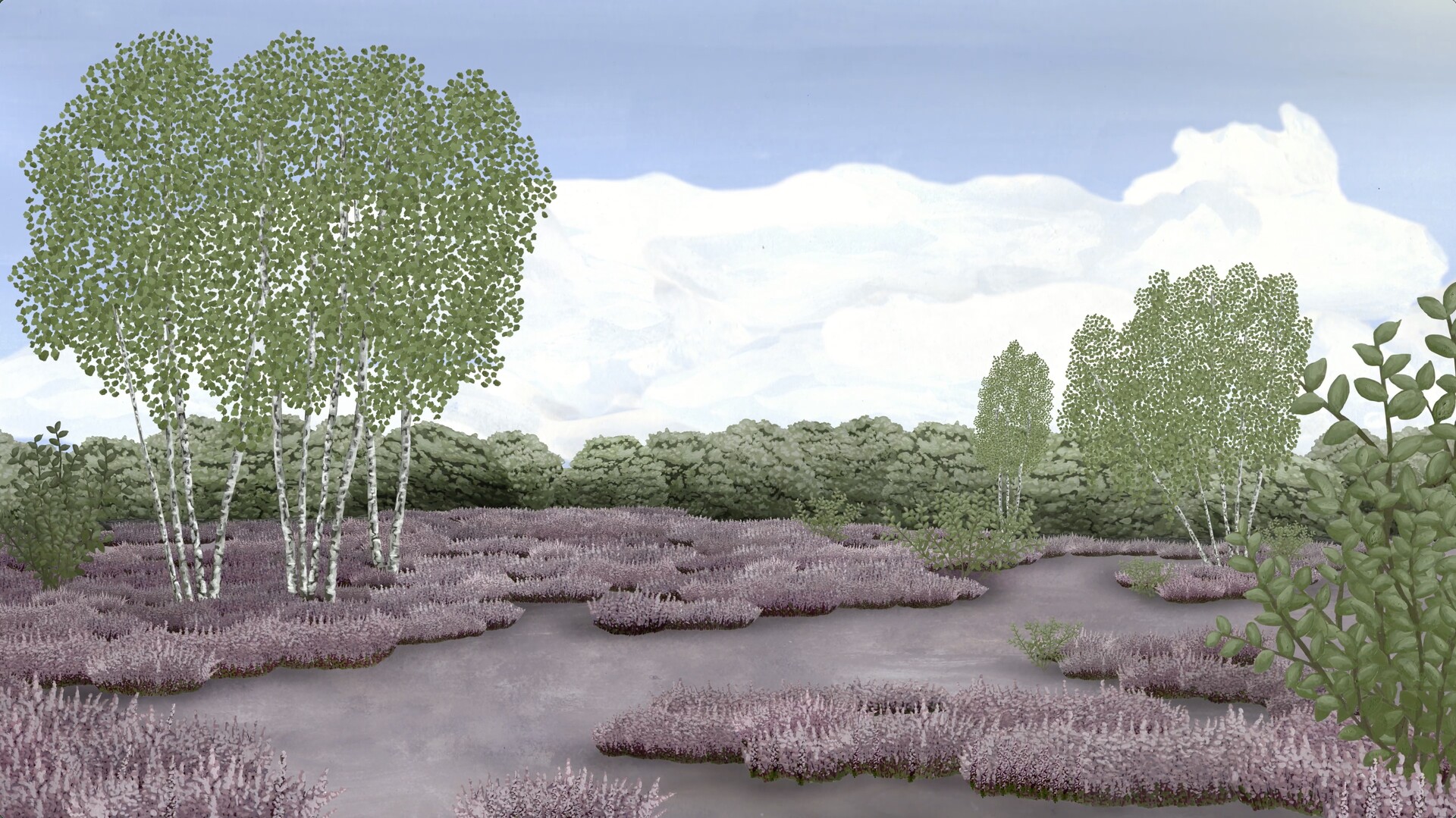
Gedicht ohne uns
2025 | DE | 8m 9s
Director: Jenny Dam
The animated film ‘Gedicht ohne uns’, based on the poem of the same name by Clemens Schittko, is a meditation on the relationship between nature and culture; on naming, systematising and mapping landscape; a gentle look at a world devoid mankind and a linguistic-magical evocation of the river Spree with its tributaries and side arms. The film images are hand-painted with egg tempera.
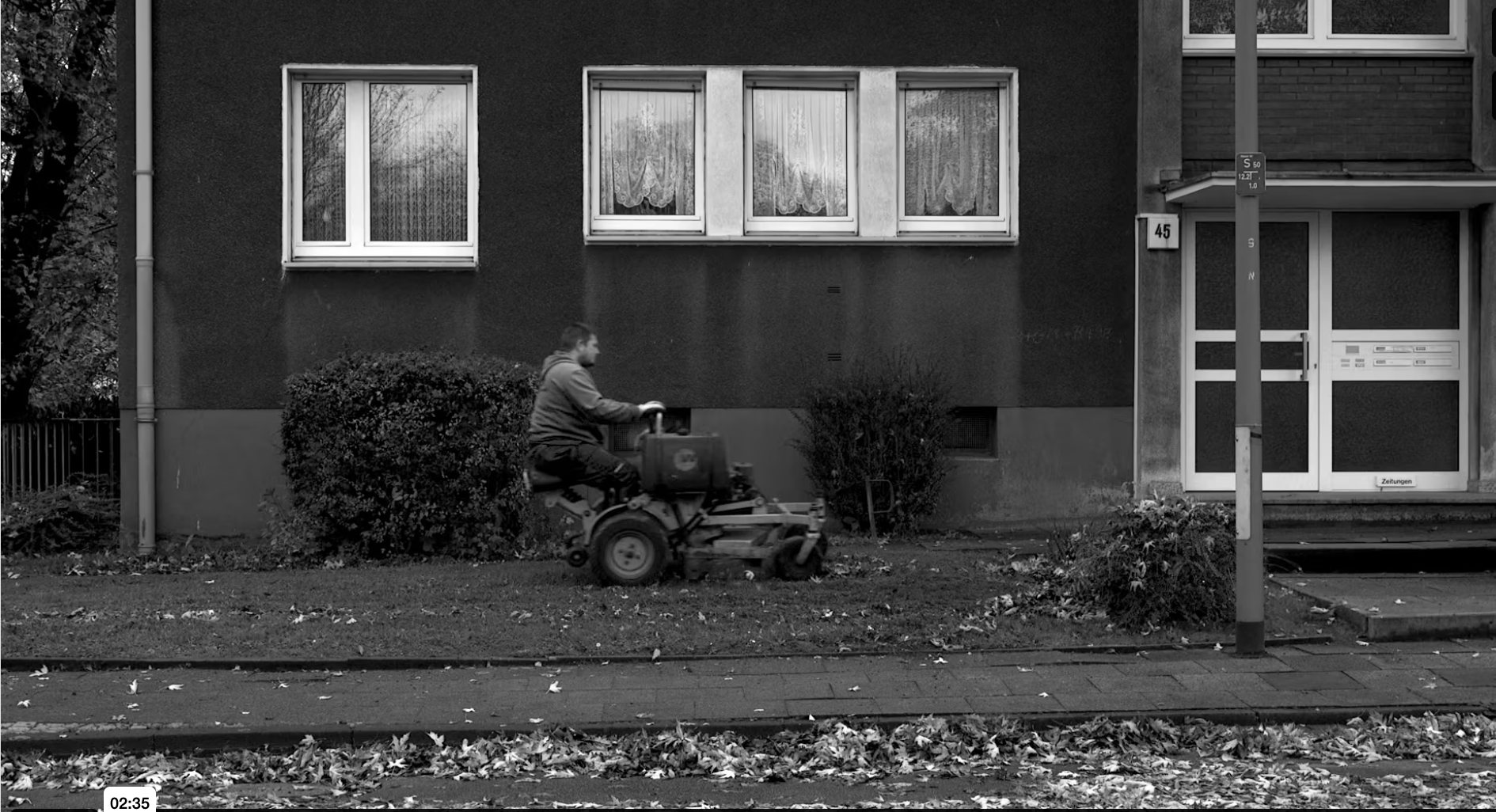
Read Me Goodbye
2023 | DE | 2m 35s
Director: Holger Mohaupt
When the filmmaker visits his mother, he asks her to read to him from his old primary school book. He is taken on an unexpected journey, it is a farewell to their past and a life they once shared. ‘Read Me Goodbye’ is a documentary poem based on Wilhelm Busch’s animal fable Finch & Frog.
Poetry for strangers
2025 | DE | 11m 39s
Director: Martin Stuart Krafft
A video essay reflecting on a performance art project reciting a Rilke poem to strangers 1000 times across the city of Berlin.
Syntax in Space
2024 | DE | 10m 0s
Director: Fabiane Kemmann
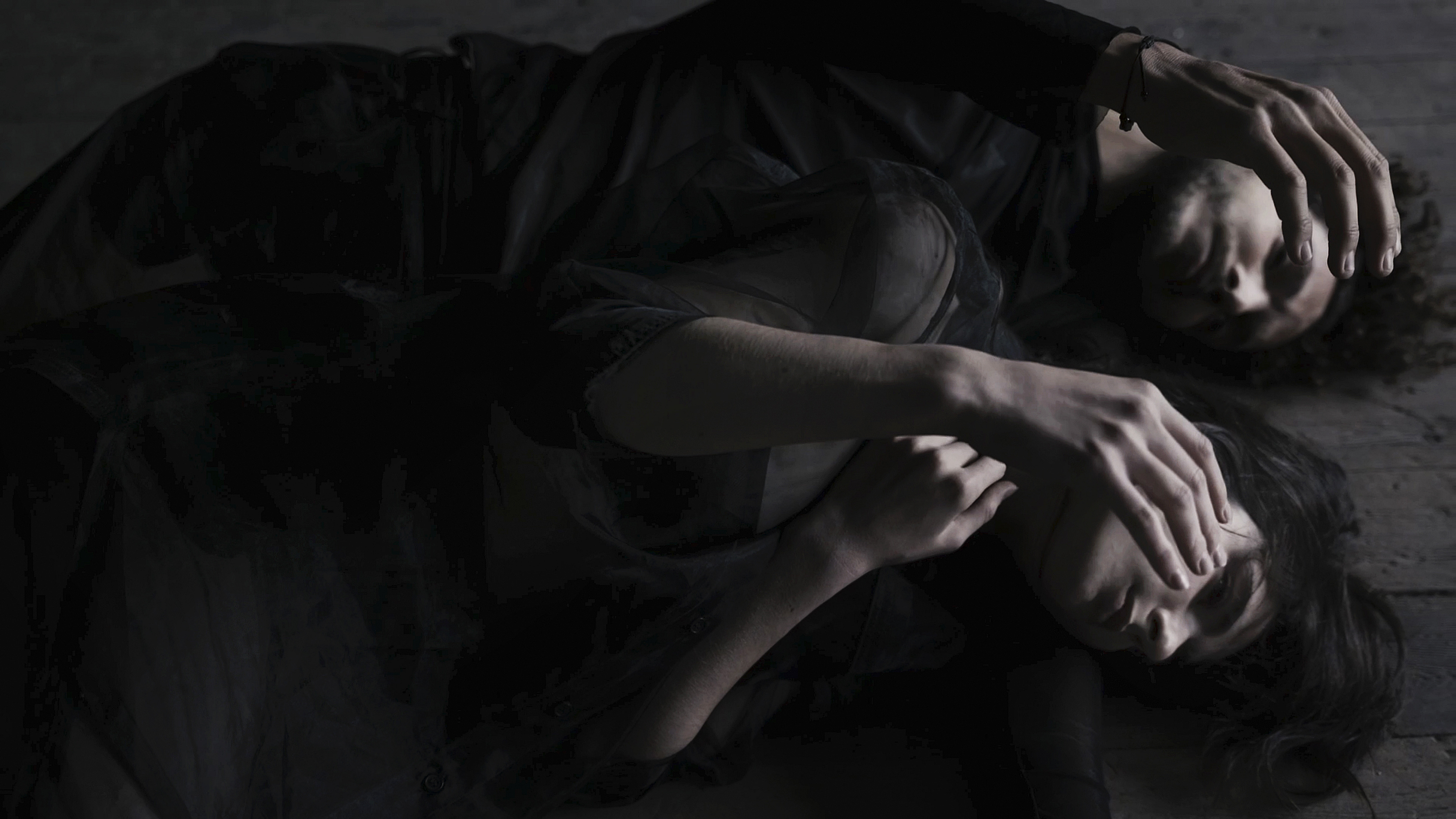
Syntax in Space's protagonist, in a split second close to his death, sees his life with his inner eye like a dream. Sitting in the backstage area of the theatre in an abandoned city, he watches his own self walking towards himself. As he sees his face, he surrenders to this encounter with his inner landscape. He begins to walk into the space of this lucid dream, his memories; he sees himself as a young man in the vicinity of a woman. Wandering further into the abandoned city, he comes across his country’s history. Asking himself, „Why do you wake?“, he senses its connection to the present and wakes up to the certainty, „Someone has to wake.“
In Syntax in Space disparate worlds and their unique languages coalesce into one through the power of the spoken as well as the signed word, the power of the language of the body in space, and the power of film. Together they forge the silent enigma of the language of dreams and the contradictory experience of the inner landscape that the protagonist, played by Lutz Förster, wanders in his mind. For over 40 years, Förster performed a solo in sign language in the Company of Pina Bausch, and after leaving it in 2016, he first returns to the arts of signed expression for Syntax in Space in an encounter with the deaf dancer Pierre Geagea and the young dancer Alexandra Aidu. Simultaneously, he depicts the protagonists' wanderings in the spoken words of Heiner Müller, Franz Kafka, and Fabiane Kemmann. They structure the film in three acts that are set to a soundtrack by Nico van Wersch, composed in layers of music and located near Berlin in the formerly largest Soviet military facility outside the Soviet Union, now abandoned.
Murphy war ein Optimist
2024 | DE | 3m 15s
Director: Heiko Reimer
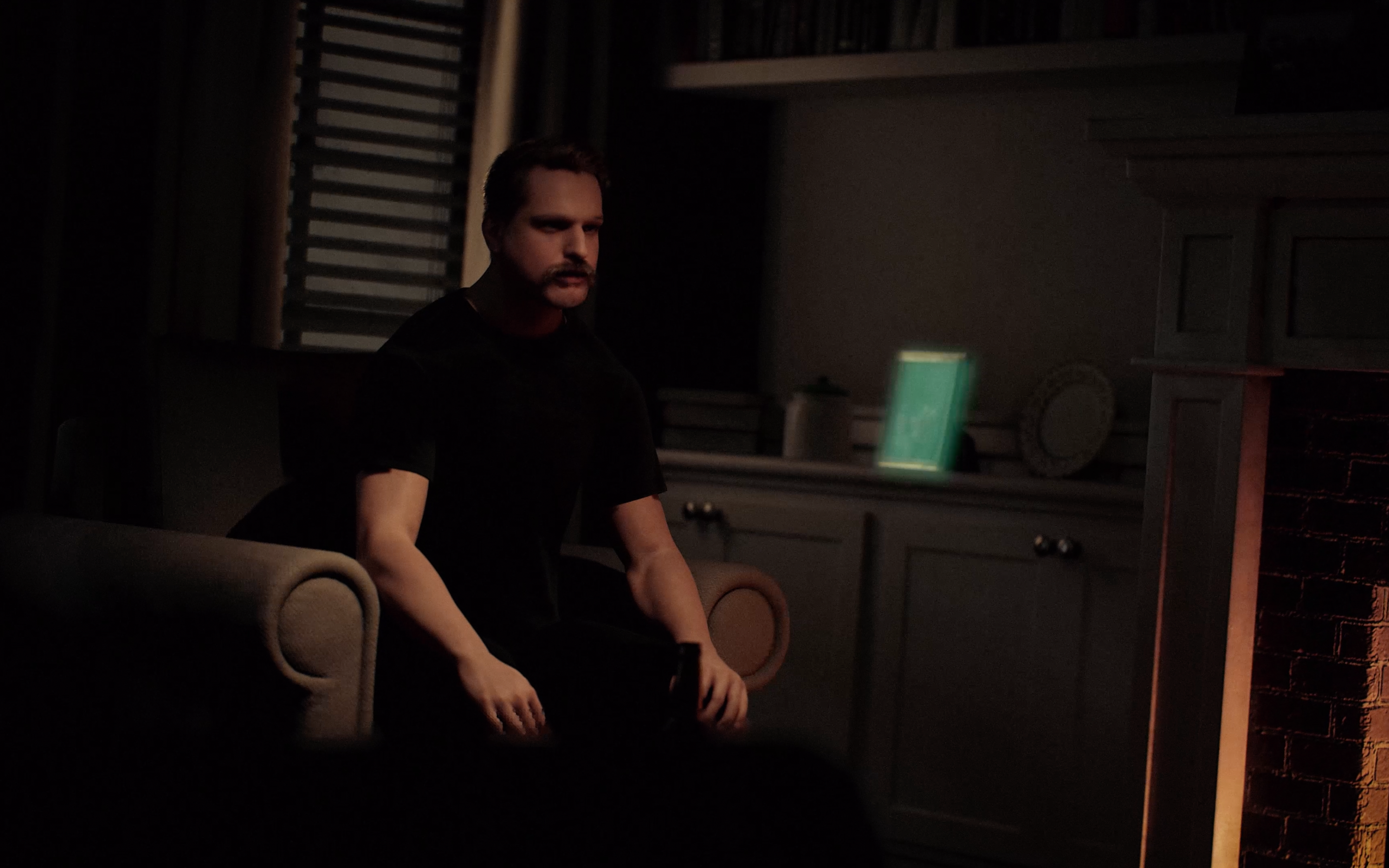
A poet’s digital avatar finds itself caught in a downward spiral. Torn between nihilism and hope, and the contradictory coexistence of reality. What begins as an inner monologue becomes a confrontation with the outside world, which threatens to crumble. And a confrontation with oneself, as the lyrical “I” attempts to navigate this world. Against the backdrop of global crises—climate collapse, authoritarian tendencies, social division—the film explores the fragility of hope in times when optimism seems almost obscene. Gloomy animated settings and a driving soundscape accompany the poet as he attempts to believe in a better future, while his own pessimistic attitude undermines precisely this attempt. Murphy Was an Optimist asks how fiercely contested hope must be to be genuine. And whether well-meaning calendar sayings are enough to confront a truly threatening world. A film poised between active agency and resignation.
burak
2024 | DE | 4m 18s
Director: Sami Morhayim
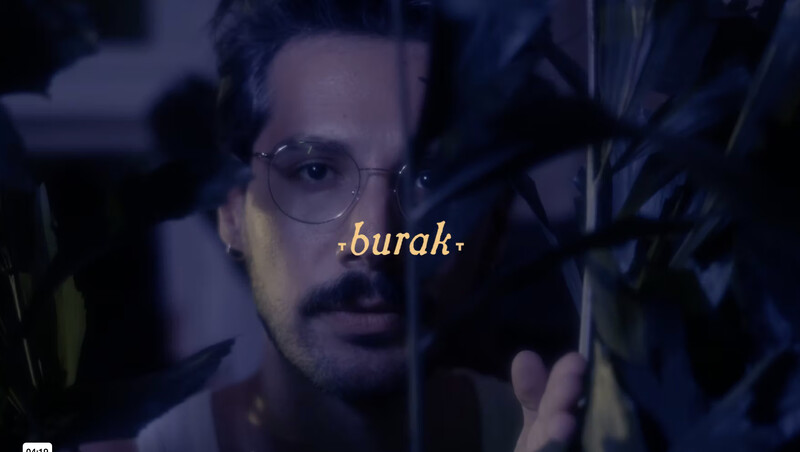
In his poem “burak,” Ozan Zakariya Keskinkılıç conjures a mysterious atmosphere where queer desire, sacred imagery, and the dissolution of boundaries between nature and urban spaces converge.The film captures the protagonists’ search in a mysterious atmosphere, filled with curiosity and longing, inviting reflections on the intersections of the sacred, the sensual, and the surreal.
Glasaus
2025 | DE | 1m 56s
Director: Mert Akbal
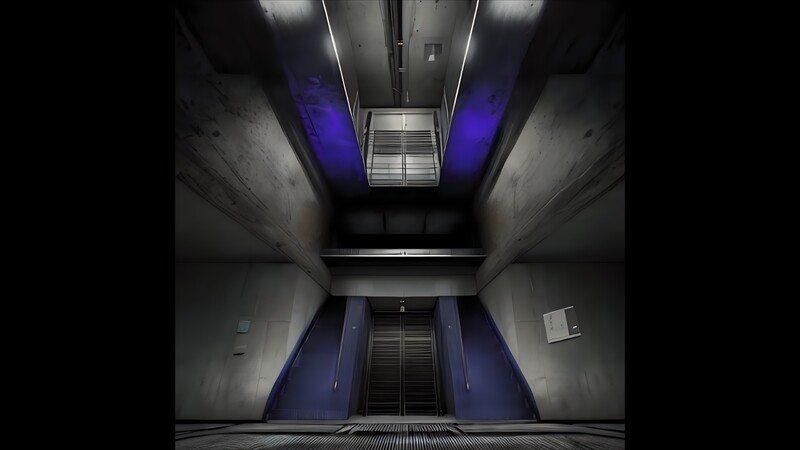
A couple communicates their love and the glass.
why?
2026 | DE | 4m 53s
Director: Joanna Maxellon
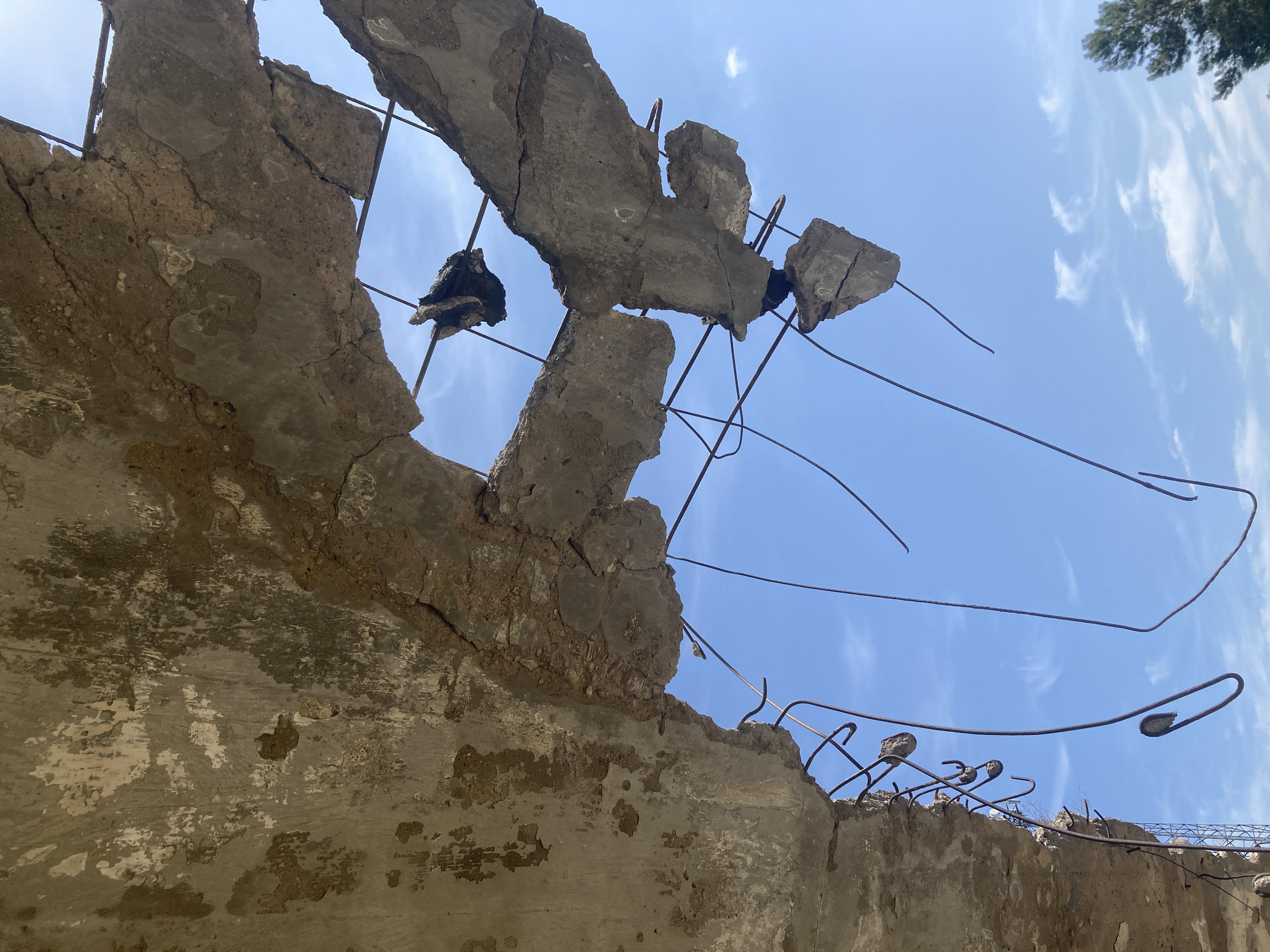
Drawing on Nora Gomringer’s poem “Sandmänner,” “why?” explores the conditions of human existence in the 21st century. The film sees itself as a poetic-analytical intervention in a present marked by acceleration, control, and moral erosion. At the center is the human being as a political body: kept awake, functionalized, constantly addressed. Sleep, fear, and attention become sites of power. Morality no longer appears as a stable category, but as a fragile practice under economic, media, and algorithmic pressure. why? operates within a fractured temporal structure. Past, present, and predicted future overlap. The cinematic language employs fragmentation, repetition, and disruption to reveal the impossibility of linear meaning-making. The poetry film refuses to provide clear-cut answers. Instead, it questions responsibility within a system that systematically distributes, delegates, and neutralizes responsibility. Humanity appears here not as a given, but as a contested stance.
Ein falsches Wort
2025 | DE | 1m 20s
Kuesti Fraun
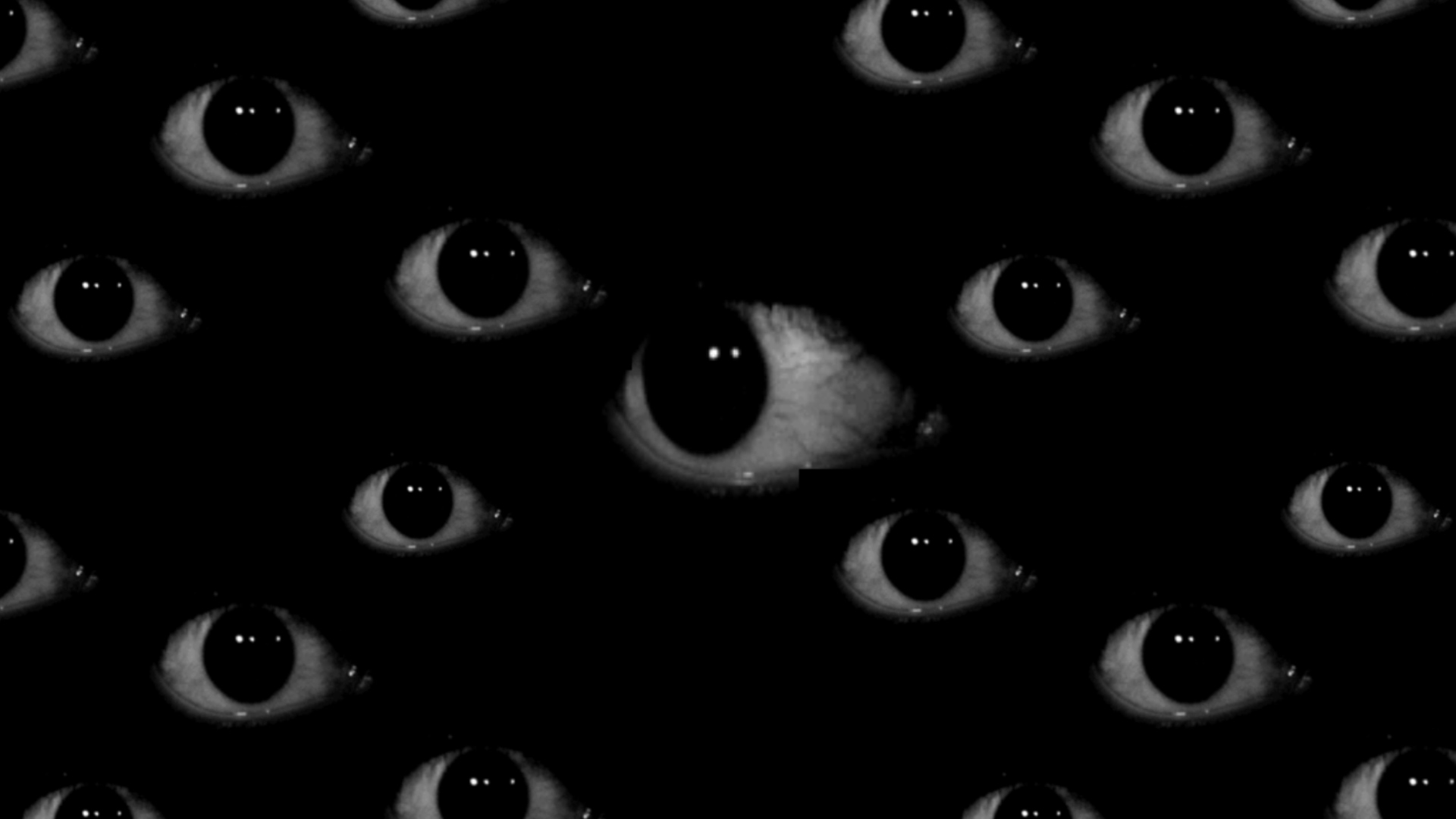
Between digital closeness, observation, and misunderstanding lies a fragile zone where a single click, a smiley face, or a wrong word can turn everything upside down.
Directors: Kate MacAlister, Moritz V:3res
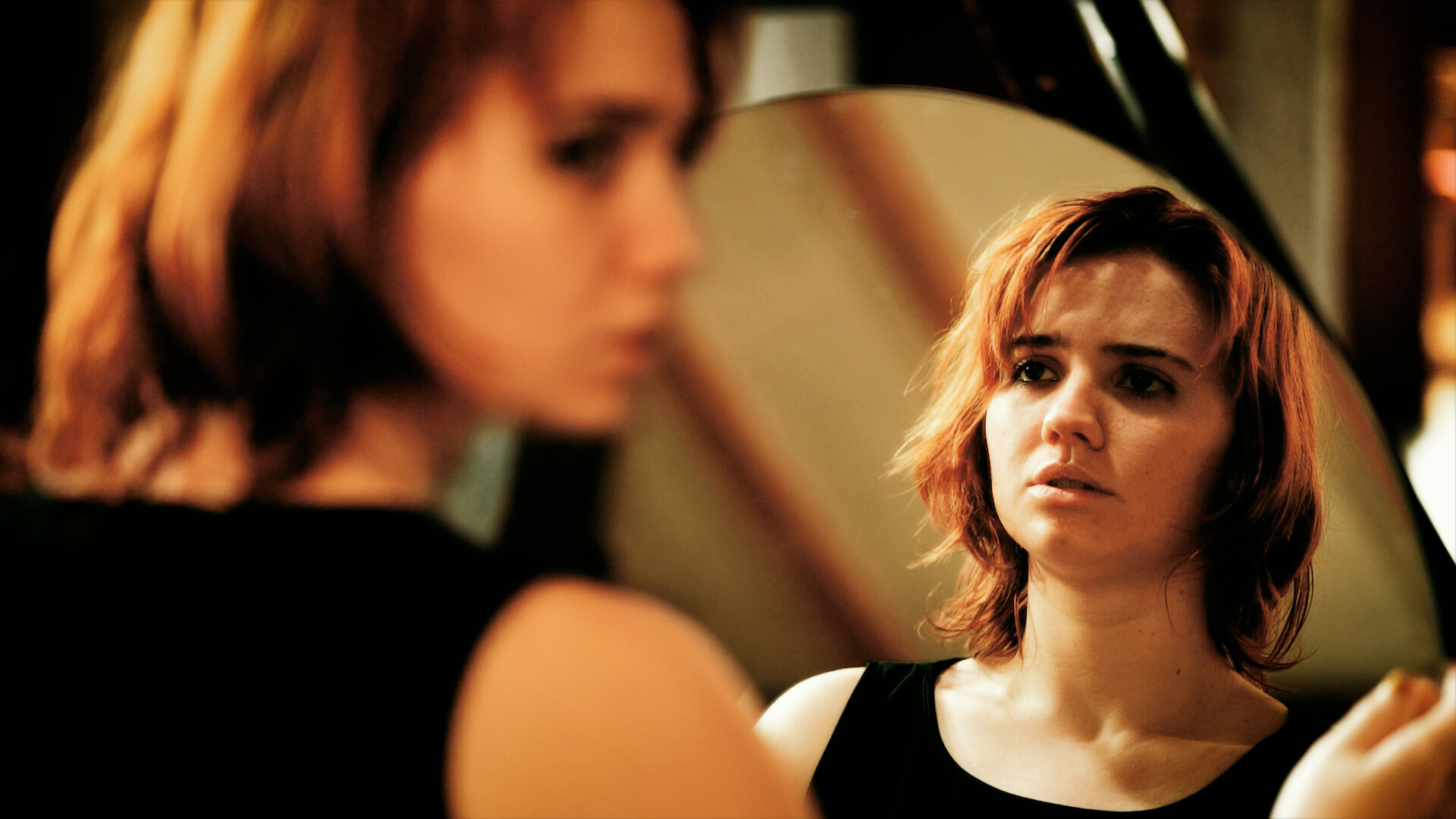
understory is a poetic fairytale about the transformative power of storytelling. It is a tale of connection found among the darkest ferns of despair. It is a tale of offering up a story - and all its scars entirely to someone, someone whose pain you know well as you have seen it in the reflection of the mirror before. understory asks us: What lies beneath the fairytale? The stories we have always known? What do we find beneath the stories we tell ourselves about the world, each other, and who we are? And what stories do we make up to conceal the secrets we crammed deep into our bleeding hearts?
Tale is forever trying to write a love story to save themselves. Then they meet Fairy in the woods - and begin to go looking for breadcrumb trails in each other's past together. Hoping to find a way out of the dark thicket they have grown to keep everyone out, it is no small challenge to open up and share their truest stories with each other. And they begin to wonder if it is really love that will save them. Or will telling their story break the spell?
Starring Eileen Uméh as Fairy and Ella Schetter as Tale understory is the second poetry film production by poet Kate MacAlister and protest photographer & visual artist Moritz V:3res.
English
Image